
High-Stakes Property Decisions in the Food Industry
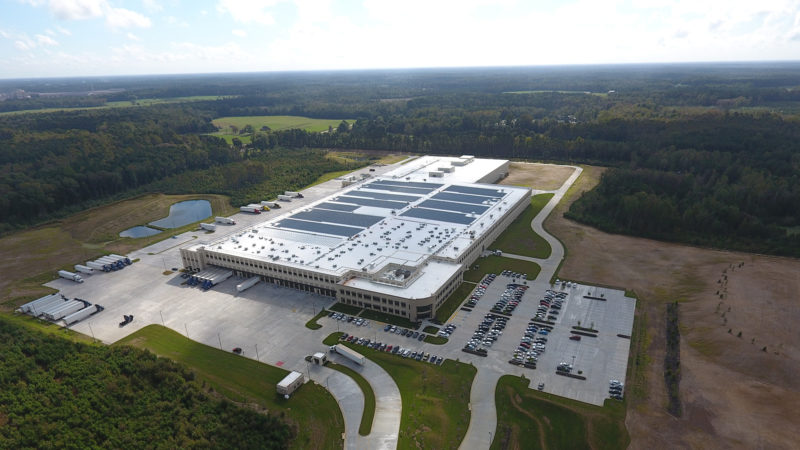
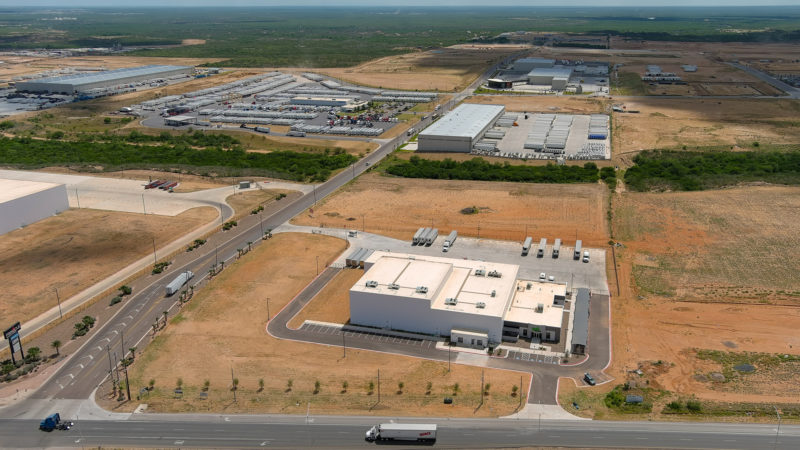
The ink was dry on the contract when our team was called in. The client had secured property for a new cold storage distribution facility at an “excellent price,” but because the deal was already locked in, the owner’s leverage was gone. All negotiation power with local authorities and property owner had been forfeited before we ever stepped foot on site.
A single meeting with local officials exposed the true cost of that “excellent price.” Beneath the surface sat a web of unvetted project hurdles that directly threatened the facility’s specialized operational needs. The site carried a checklist of hidden burdens: subgrade soils threatening slab integrity, inadequate municipal wastewater allocations, peak electrical grid constraints, invisible airspace height caps, and looming residential noise curfews.
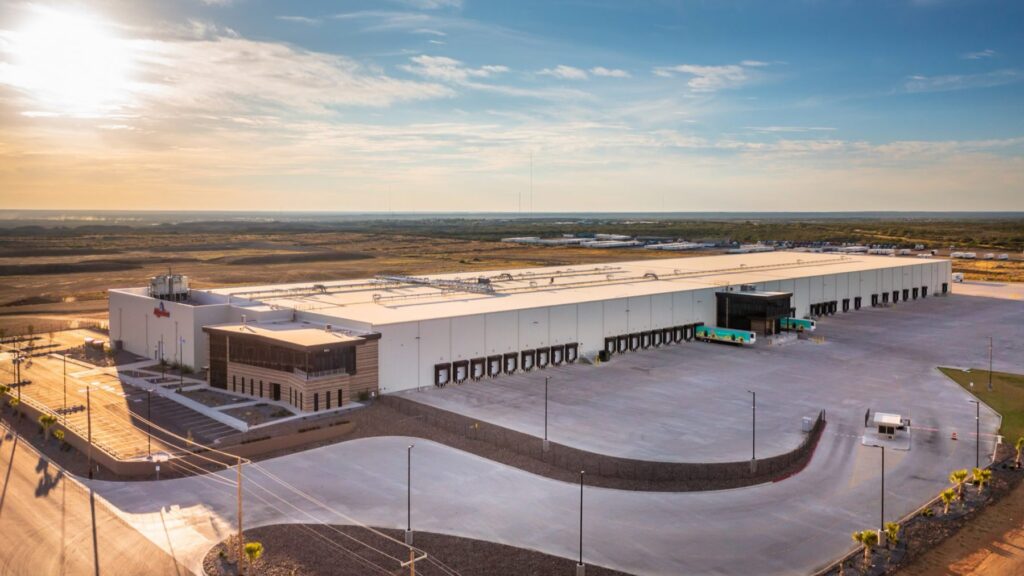
This project perfectly illustrates the impact of these type of early property decisions in the food industry. In this case, substantial dollars were spent overcoming obstacles that early due diligence and expert property consulting could have completely avoided.
Rather than thinking about site selection as a standalone real estate transaction, it should be viewed as the first phase of facility development.
As Brian King, our Founder & CEO, often tells clients:
“While the design and construction cost of a facility is significant, the decisions made during site location and selection will often result in the greatest long-term economic impacts.”
Our property consulting services begin long before a property is under contract. Before evaluating a site, we first work to understand the client’s business objectives, production processes, equipment requirements, utility demands, existing facilities and long-term growth plans. Only then do we identify, analyze and compare properties that support those goals.
Read on to learn about some of the most significant issues our team helps clients identify and address before a purchase becomes an expensive commitment.
What You’ll Learn
In this article, we’ll explore why property selection is one of the most important decisions in food facility development and how early due diligence can protect your investment. You’ll learn:
- Why the lowest purchase price isn’t always the best long-term investment.
- The most common site selection risks that affect food processing and cold storage facilities.
- How early property consulting helps uncover costly issues before they’re difficult—or impossible—to solve.
- What experienced Design-Build teams evaluate before recommending a property.
Defining the Project Before You Buy
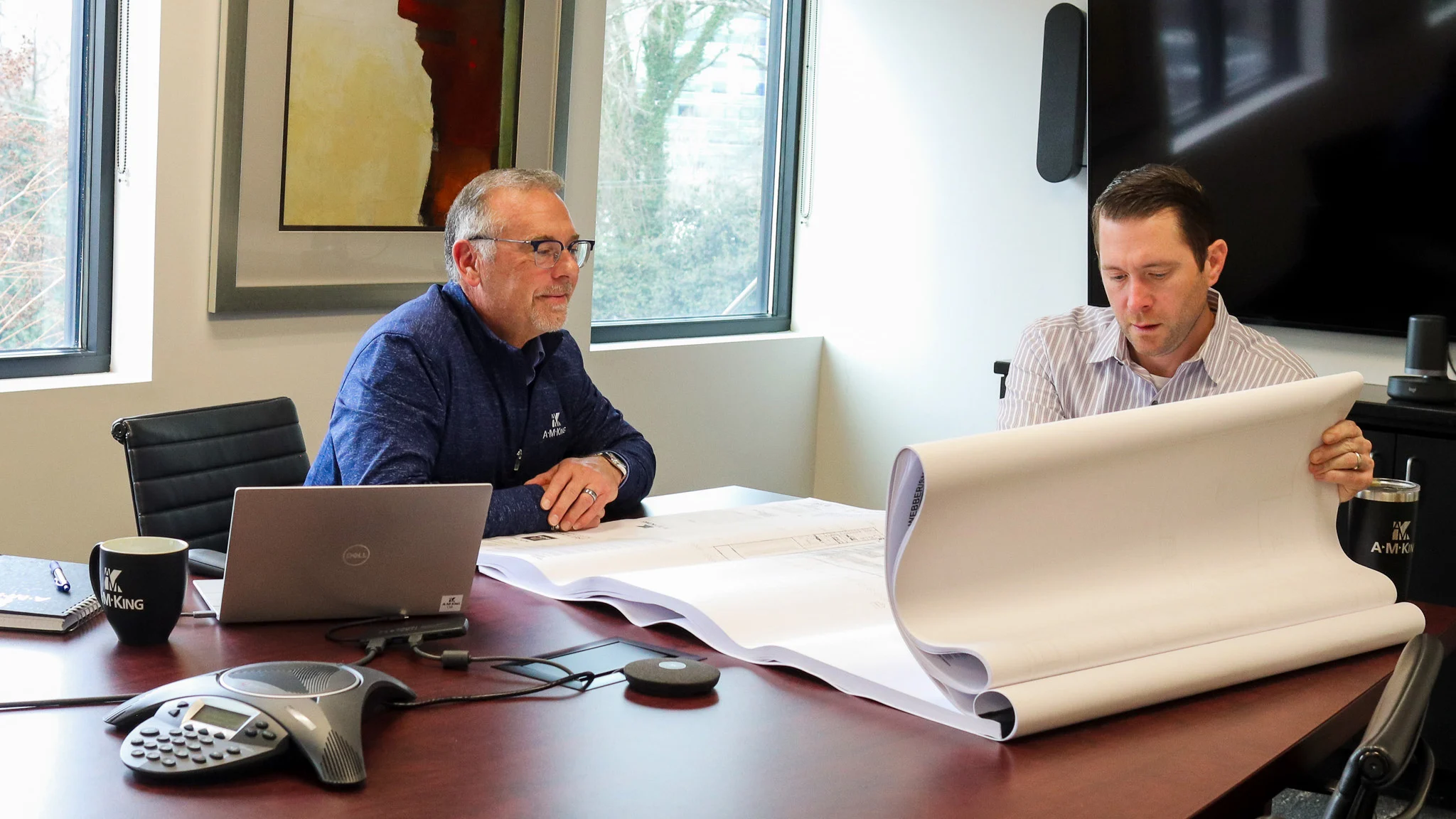
You shouldn’t start a major project, whether that’s a facility renovation, building addition, or land purchase for a greenfield structure, without first setting the scene and establishing the parameters.
Just as a book begins with a prologue that foreshadows future events, a facility project needs the same foundation. How can you move forward if you don’t understand what the story is about? How many chapters are there? Is this a well-developed, well-researched plan, or a half-baked effort full of unresolved plot lines? Most importantly, how does it end?
When that clarity is missing or poorly defined, the result is often missed production starts, cost overruns, and compromised operational efficiency.
Research on engineering and construction projects highlights that budget growth is a persistent challenge, often driven by early-stage uncertainty in scope, site conditions, and utility requirements.
Take a simple example. You may know you’re installing heavy processing equipment and storage racking in an existing building you’re under contract to purchase. If you’re not a construction expert, you might not realize you need to verify whether the existing concrete slab can handle the point loads from both. Or whether in-rack sprinklers are required, and if so, does the existing fire protection system have the capacity to support them?
Knowing those answers before closing is critical. These are not minor adjustments; they can significantly change project cost, schedule, and even feasibility of the equipment required for the project.
Hiring a Design-Build firm with industrial property expertise reduces these risks early in the process.
We provide a single point of responsibility and evaluate sites and buildings through the lens of a food distribution or processing facility. We can also quickly estimate remediation costs, giving you leverage in negotiation, or the ability to walk away before making a costly investment.
The Hidden Costs Behind “Good Deals”
Who hasn’t signed up for a new streaming service without reading the fine print, just checking the “I agree” box based on what you think you’re getting? Only later do you notice the extra charges you didn’t plan for. Then comes the time-consuming effort of figuring out what you actually signed up for and removing what you didn’t want.
I’ve spent years helping clients do the opposite: flushing out the “fine print” before they ever sign anything.
Take something as critical as wastewater capacity in food processing. You may discover early in the process that the local treatment facility is outdated, near capacity, or unable to support your discharge requirements. That could mean building a private pre-treatment system on site.
Knowing that upfront changes everything. It opens the door to negotiate with the property owner, push for municipal participation in upgrades, or eliminate the site altogether before you’re financially committed.
Infrastructure constraints are only one part of the equation. Site restrictions can be just as limiting in ways that are far less obvious.
Roadblocks That Can Delay Your Facility Project
Anyone who has traveled during the holidays understands how detours and unexpected road closures can disrupt your trip. A little planning helps avoid those surprises: checking routes ahead of time, accounting for weather, and knowing when closures are likely.
Facility development works the same way.
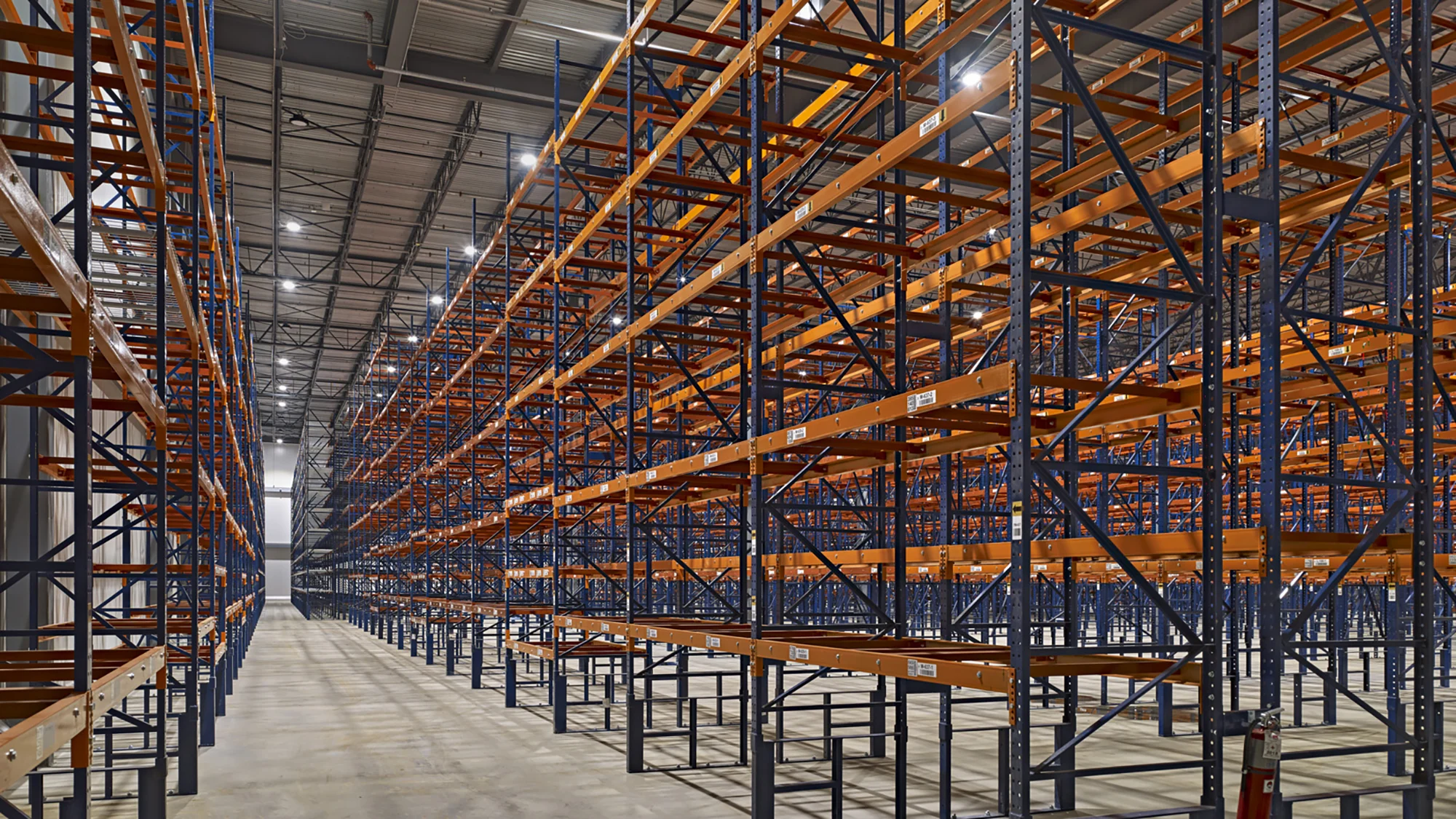
A large-scale cold storage project designed for high-density vertical storage may seem straightforward until you discover that the local airstrip has federally protected flight paths over the site.
In these cases, FAA airspace restrictions can limit building height and useable storage capacity in ways that can’t be negotiated. What looked like a clear-cut design concept can suddenly become a compromised version of the original intent, forcing costly redesigns or operational tradeoffs.
Even when a site appears physically and legally viable, the long-term economics of operating a facility can tell a very different story if the proper due diligence and an experienced property consulting team isn’t in place.
Looking Beyond the Purchase Price
We have all fallen for something too good to be true: the perfect couch at an unbelievable price, a used car that looks brand new, or a lease that seems impossible to pass up.
Without experience or the right guidance, these opportunities are easy to accept. Then reality hits. The couch isn’t stain resistant. The car needs constant repairs. The apartment view disappears behind new construction.
On any project, and with every property decision in the food industry, you must always consider two costs: today’s first cost and the overall lifetime cost.
Data from organizations like the National Institute of Building Sciences and the U.S. General Services Administration confirms that most building costs are incurred after construction through operations, maintenance, and energy. In the food sector, this reality is magnified. Massive utility demands from industrial refrigeration, intense washdowns, and automated processing lines mean early property and layout decisions dictate your daily operational margins for the next 20 years. In fact, the FPSA/PMMI Processing State of the Industry Report highlights that processors face skyrocketing operational and compliance costs if they fail to optimize layouts early.
So, the real question is not what a building costs to acquire. It’s what it will cost to operate. A lower lease or purchase price can be quickly offset by long-term constraints such as limited cooling capacity, inefficient layouts, or environmental conditions that affect workplace performance.
It is important to not let a piece of the process drive the entire process. Too many times, I’ve seen part of the team make assumptions about something that they think should be easy. It’s important to understand what the facility will require over its full lifecycle before committing to it. And even when the economics look reasonable, decisions are often shaped by assumptions that are never fully tested.
When Assumptions Become Expensive
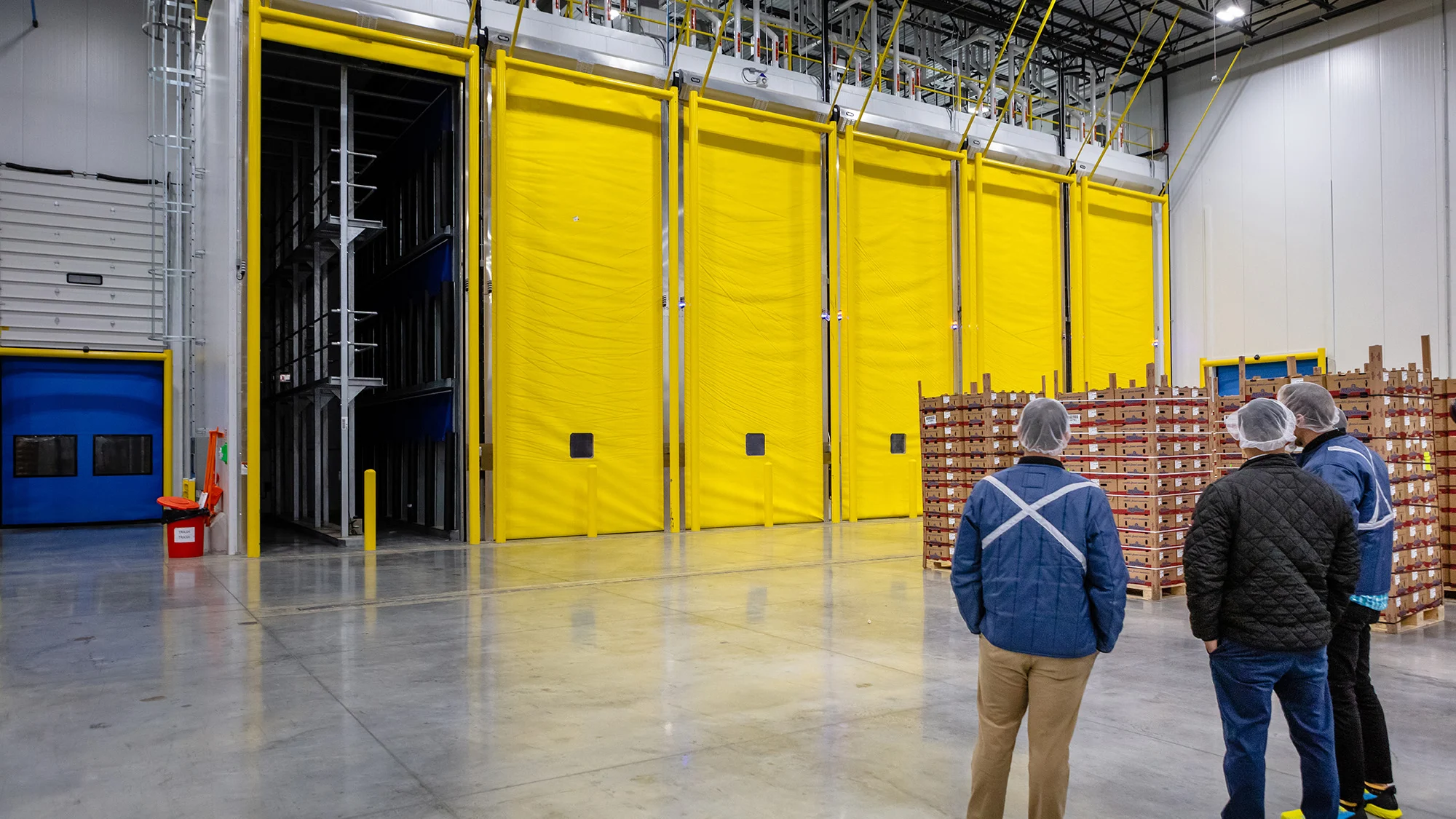
How often do we hear variations of the same message when evaluating a project or property: “Don’t worry about that, we’ve never had an issue,” or “This is a great building, great site, no problems here”?
The challenge is that early confidence is often based on incomplete information. Time pressure, excitement about the location or lack of experience with industrial requirements can all influence decisions.
Before long, you’ve invested months of time and significant capital into a project before the first real constraint surfaces. It might be extended permitting timelines. It might be unexpected community opposition. Or it might be hidden legacy utility easements that limit expansion or operational flexibility.
At that point, the decision is no longer simple. Walking away means absorbing sunk cost. Proceeding means accepting compromises that may affect long-term operational performance. Either way, time, capital, and future growth potential are now at risk — often at the exact moment when the project is already in motion.
This is not a rare scenario in food facility development. It is a predictable outcome when early-stage property due diligence is incomplete or rushed.
I take the time to understand what the project is, what the non-negotiables are, and what is flexible in the project, so that I can ensure that there are no surprises once the project permits are pulled and construction starts.
***
The difference between a phenomenally successful food facility and a multi-million real estate disaster often comes down to what is understood before a deal is finalized.
Traditional general contractors typically focus on execution after the property is acquired. Our approach begins during property evaluation and before final site selection.
The reality is that many firms understand buildings. Fewer understand food operations. And fewer still understand how those two intersect during early-stage development decisions.
By integrating property consulting with design and planning from the outset, we help identify and evaluate regulatory, environmental, and engineering risks while there is still time to act on them. That early clarity supports better decisions around site selection, investment, and long-term facility performance.
I often say: my kids like surprises—I don’t.
In food facility development, the greatest risks are rarely construction related. They are decisions made long before construction even begins.
FAQ: Property Decisions in the Food Industry
- What are the pros and cons of buying land versus an existing building?
Neither option is inherently better. The right choice depends on your operational needs, timeline, budget and long-term growth plans. Property consulting experts compare your development, renovation and operating costs, along with site constraints, to identify the option that delivers the greatest long-term value.
- How do I know I’m paying the right price for a property?
The purchase price is only part of the equation. Detailed property evaluation considers market conditions, development costs, incentives and long-term operating expenses to determine a property’s true value before you buy.
- How do I protect myself from hidden or unforeseen future property costs?
Comprehensive due diligence helps uncover risks before you buy. Evaluating environmental conditions, utilities, infrastructure, zoning, constructability and other site factors can identify potential costs early and help minimize unexpected expenses down the road.